Commercial MEES: Why 2026 Boiler Decisions Outlast EPC B
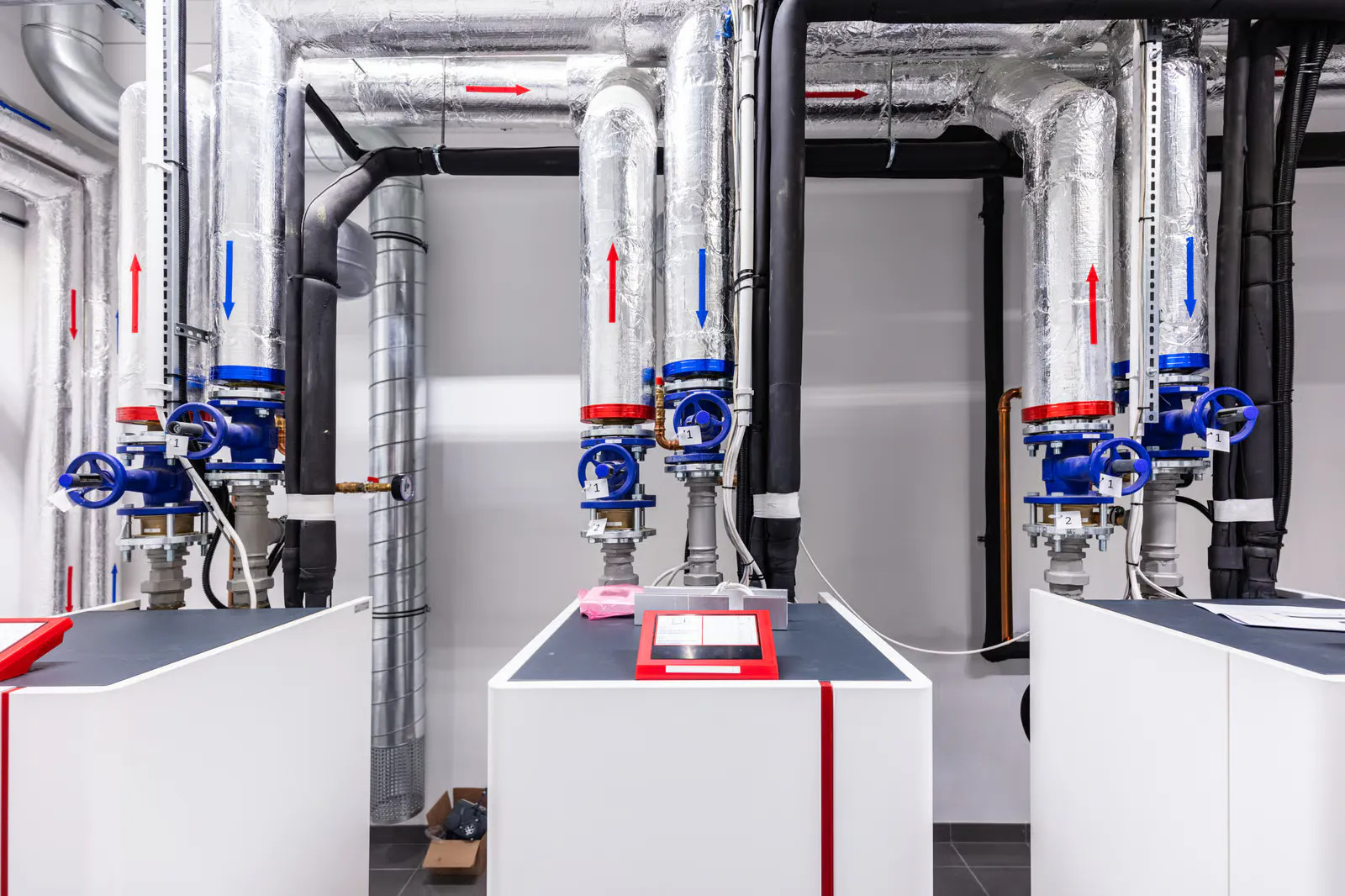
Commercial landlords are making heating plant decisions against a regulatory target the government has not yet confirmed. The EPC E minimum for non-domestic lettings has been in force since April 2023. The proposed EPC B threshold for 2030 was originally consulted on in 2021, with an interim EPC C milestone tabled for April 2027. Five years later, the response to that consultation remains unpublished. The January 2026 partial government response covered domestic property reform and EPC metrics. It did not resolve commercial MEES.
Industry commentary now places the EPC B threshold somewhere between 2030 and 2035. There is no confirmed interim EPC C date. What remains confirmed is the direction of travel.
This is the operationally relevant fact: a commercial gas boiler has an expected service life of 15 to 20 years under UK industry guidance, with CIBSE Guide M setting out indicative economic life expectancy for the sector. A boiler installed in 2026 will still be in service in 2041 or later. It will outlast every currently proposed MEES threshold regardless of which timeline the government eventually confirms.
Three implications for landlords and FM directors with gas plant approaching end of life.
First, like-for-like replacement is no longer a neutral decision. Replacing a failed commercial boiler with an equivalent gas unit commits the building to fossil heating through the EPC B threshold. The decision is defensible in narrow capex terms. It becomes harder to defend once the asset is modelled against a tightening EPC trajectory and the stranded-asset risk that follows.
Second, heat pump retrofit feasibility is now a plant-lifecycle question, not a sustainability question. Commercial air source heat pump retrofits in London office stock remain difficult: flow temperature constraints, riser sizing, electrical supply upgrades, and acoustic planning for external plant are all real barriers. But the question is no longer whether the retrofit is attractive. It is whether the next gas boiler is the last gas boiler, and what the transition plan looks like.
Third, hybrid and transitional configurations deserve serious analysis. Cascade gas systems sized for lead-lag operation with a heat pump taking base load. Low-temperature gas boilers specified to run at flow temperatures compatible with future heat pump integration. Plant rooms reconfigured on replacement to accommodate future electrification without a second disruption. These are not compromise decisions. They are the correct response to regulatory uncertainty.
The weakest position is the landlord who replaces a failed boiler reactively, specifies like-for-like because it is fastest, and discovers later in the decade that the plant is the reason the building cannot be lawfully let.
Boiler replacement specifications signed off in 2026 should be tested against the 2035 regulatory position, not the 2026 one.