The Future of Plumbing: Sustainable Practices and Eco-Friendly Materials
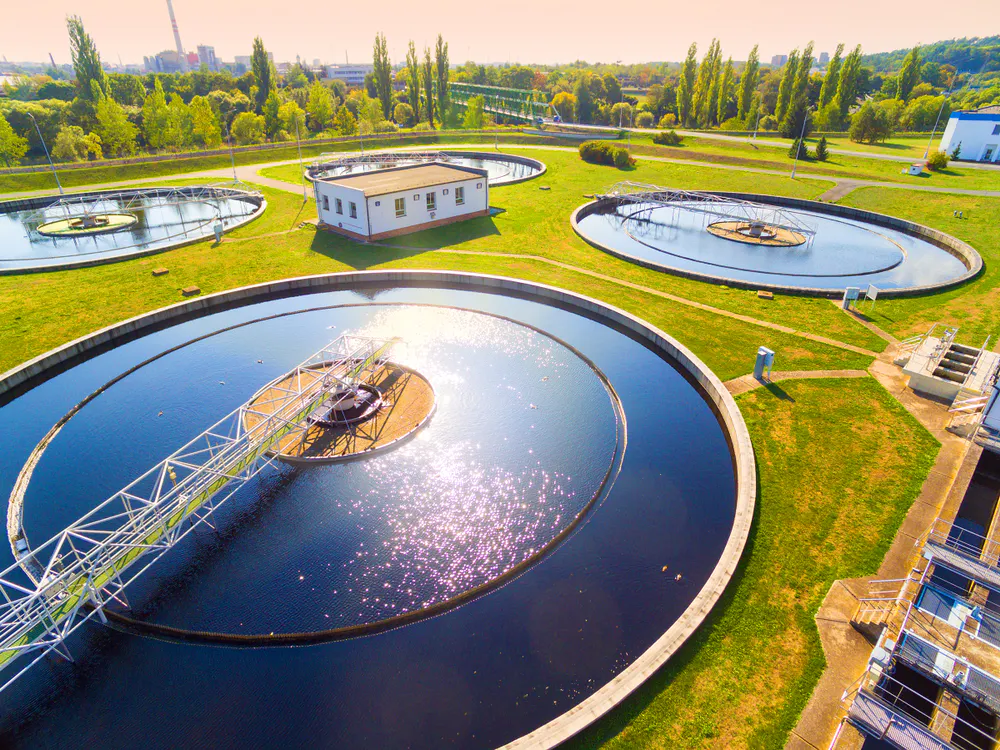
As the world faces an increasing need to combat climate change and conserve natural resources, industries are being called upon to adapt and innovate. The plumbing sector is no exception. Plumbing systems are integral to modern life, but they also contribute to water waste, energy consumption, and environmental degradation if not managed sustainably.
As the demand for green building solutions grows, sustainable practices and eco-friendly materials are becoming essential in the plumbing industry. In this article, we explore the future of plumbing through the lens of sustainability and the use of eco-friendly materials.
Sustainability in Plumbing: Why It Matters
Sustainable plumbing is not just a trend but a necessity for ensuring the long-term health of the environment and future generations. Plumbing systems consume large amounts of water and energy, and traditional materials can degrade or contribute to pollution over time. For instance, outdated piping materials like lead, PVC, and copper have negative environmental impacts, whether through mining processes, chemical manufacturing, or waste disposal.
To address these issues, the plumbing industry is shifting toward sustainable practices that minimise environmental impact and increase efficiency in water and energy use. The future of plumbing will involve the adoption of greener practices, from the materials used in pipe construction to the way water is heated and conserved in homes and businesses.
Key Trends Shaping the Future of Sustainable Plumbing
1. Water Conservation Technologies
With growing concerns about water scarcity, water-saving technologies are at the forefront of sustainable plumbing practices. The UK is expected to face increasingly severe droughts in the coming decades, making water conservation more critical than ever.
• Low-Flow Fixtures: Low-flow taps, shower heads, and toilets are designed to reduce water consumption without sacrificing performance. Modern designs allow for efficient water use, minimising waste while maintaining comfort. Installing low-flow fixtures can reduce water usage in homes by up to 50%.
• Water-Saving Appliances: New washing machines, dishwashers, and other household appliances now feature water-saving settings. These systems use significantly less water than older models, providing both environmental and cost-saving benefits.
• Greywater Recycling: Reusing water from sinks, showers, and washing machines, called greywater, is another sustainable practice gaining popularity. This non-potable water can be filtered and used for irrigation, reducing the overall demand for fresh water in homes and gardens.
• Rainwater Harvesting: Collecting rainwater is an ancient practice making a modern comeback. Rainwater harvesting systems collect water from roofs to be stored and used for landscaping, flushing toilets, or even laundry. These systems reduce dependency on municipal water supplies and decrease water bills.
2. Eco-Friendly Plumbing Materials
The materials used in plumbing systems are a significant factor in their environmental impact. Traditional materials like copper, PVC, and lead have long lifespans but come with environmental costs in production, installation, and disposal. As the demand for sustainability grows, the plumbing industry is increasingly embracing eco-friendly alternatives.
• PEX (Cross-Linked Polyethylene): PEX piping has gained popularity due to its flexibility, durability, and low environmental impact. It is easier and quicker to install than traditional copper pipes, reducing labor and material waste. PEX is also recyclable, making it a more sustainable option compared to PVC.
• Copper Alternatives: Copper piping has been the traditional choice for plumbing due to its durability and resistance to corrosion. However, there are more eco-friendly alternatives today, including materials such as stainless steel, brass, and PEX, which are longer-lasting and often require fewer resources to produce.
• Biodegradable Pipes: In some parts of the world, manufacturers are developing biodegradable piping materials from natural, renewable resources. These pipes are designed to break down safely over time and cause minimal environmental damage when they eventually reach the end of their lifespan.
3. Energy-Efficient Water Heating Solutions
Water heating is one of the most energy-intensive processes in households, accounting for a significant portion of energy bills. In the future, plumbers and homeowners alike will prioritise energy-efficient water heating technologies to reduce both carbon footprints and energy costs.
• Tankless Water Heaters: Traditional water heaters with large tanks continuously heat water, even when not in use, leading to wasted energy. Tankless (or on-demand) water heaters only heat water when needed, offering significant energy savings. They also take up less space and have longer lifespans than tanked systems.
• Solar Water Heating: Solar water heating systems use renewable solar energy to heat water, which can then be stored for use in the home. These systems can reduce the need for traditional electric or gas-powered water heating, making them a great eco-friendly option for environmentally conscious homeowners.
• Heat Pump Water Heaters: Heat pump water heaters work by extracting heat from the air or ground and transferring it to the water. These systems are much more energy-efficient than conventional water heaters and have minimal environmental impact. Heat pump systems are becoming increasingly popular in sustainable homes.
4. Smart Plumbing for Efficiency
Smart technology is revolutionising the plumbing industry by improving efficiency and enabling homeowners to monitor their systems remotely. Smart plumbing systems can identify leaks, reduce water usage, and help homeowners make more informed decisions about their water and energy consumption.
• Smart Water Meters: These meters provide real-time data on water usage, allowing homeowners to track consumption and identify areas where they can save. This technology helps to reduce water waste and allows for more efficient water management.
• Smart Leak Detection: Advances in leak detection technology allow homeowners to install sensors that can alert them to leaks before they cause major damage. Smart leak detectors can send notifications to smartphones, allowing for quick repairs and preventing extensive water waste and property damage.
• Automated Irrigation Systems: Modern smart irrigation systems automatically adjust water flow based on weather forecasts and soil moisture levels. These systems ensure that water is only used when necessary, which reduces overall consumption and helps conserve water resources.
5. Sustainable Wastewater Management
Wastewater management plays an important role in ensuring sustainable plumbing practices. Effective treatment of wastewater and sewage can help preserve clean water sources and reduce pollution.
• Composting Toilets: As an alternative to traditional flush toilets, composting toilets do not require water and turn waste into compost through aerobic decomposition. These toilets are ideal for areas where water is scarce or for off-grid living, providing an eco-friendly solution for waste disposal.
• Waterless Urinals: Commercial buildings and homes alike are adopting waterless urinals to reduce water usage. These urinals use special technology that allows them to operate without water, saving hundreds of gallons of water every year.
• Greywater Treatment Systems: More homes and businesses are incorporating advanced greywater treatment systems, which allow used water from showers, sinks, and baths to be filtered and safely reused for non-potable purposes like irrigation or flushing toilets.
Challenges and the Road Ahead
While sustainable plumbing practices offer immense benefits, there are challenges ahead. Adopting eco-friendly materials and technologies can be expensive upfront, and many older homes may require significant retrofitting to incorporate modern sustainable plumbing systems.
Moreover, the plumbing industry must continue to address concerns related to recycling, disposal, and long-term durability of materials.
Despite these hurdles, the shift toward sustainable plumbing is inevitable. With the right incentives, investments in research, and increased consumer awareness, the plumbing industry can play a crucial role in building more sustainable, eco-friendly homes and communities.
Conclusion
The future of plumbing is undeniably linked to sustainability. As the world moves towards more eco-conscious living, sustainable plumbing practices and eco-friendly materials will become the standard. From water-saving technologies to energy-efficient water heating solutions, the plumbing industry is evolving to meet the challenges of a changing environment. Embracing these green practices is essential not only for reducing our environmental impact but also for creating long-term economic savings and ensuring a sustainable future for generations to come.
Searching 'Plumber Near Me?' We operate all across London! If you need a trustworthy plumber in London then get in touch with us today on 0800 046 1000.